
_03.jpg)
Cleansing Basics ②: Types and Characteristics of Cleansers
In our previous article, "Cleansing Basics ①," we discussed why cleansing is so crucial for your skin. Now, let's dive into the heart of the matter: the cleansers themselves. When you walk into a drugstore or department store, you're met with a vast array of options: oils, creams, gels, and more. How do you possibly choose the right one?
In this article, we'll thoroughly break down the different types of cleansers, their unique characteristics, and help you find the perfect product for your skin type and lifestyle.
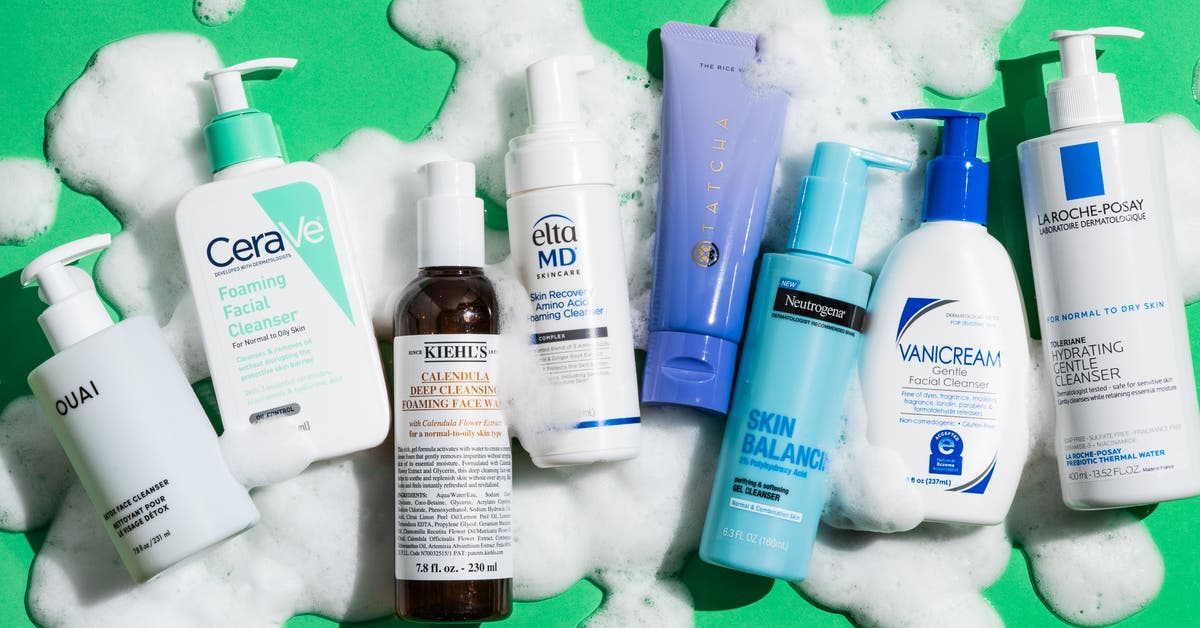
Various types of cleansers for different needs
Types of Cleansers and Their Features
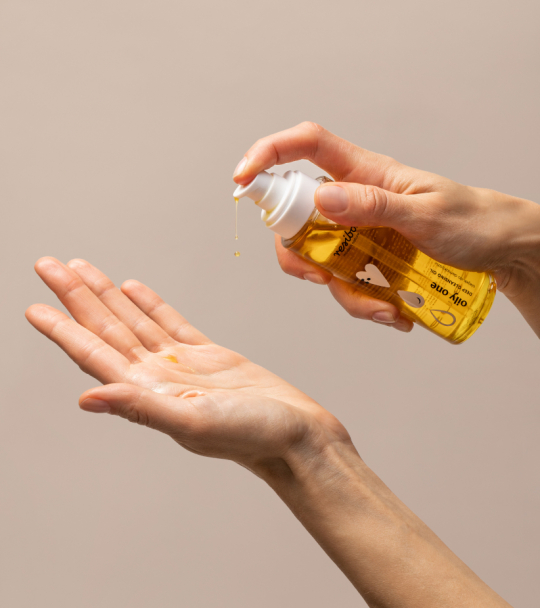
✨ 1. Cleansing Oil
A liquid oil that lifts away makeup. This is the most standard type and boasts a high cleansing power.
Pros:
- ✅ Effectively removes heavy, waterproof makeup.
- ✅ Requires minimal rubbing, reducing friction on the skin.
- ✅ Smooth texture is great for facial massage.
Cons:
- ❌ Can leave a residue if not rinsed properly, potentially causing breakouts.
- ❌ May feel too heavy or greasy for some.
Tips:
- 💡 Best for: Dry, normal, and oily skin (if rinsed thoroughly).
- 💡 Usage Tip: Always apply to dry hands and a dry face. When you add water, it emulsifies (turns milky), making it easy to rinse away along with the makeup.
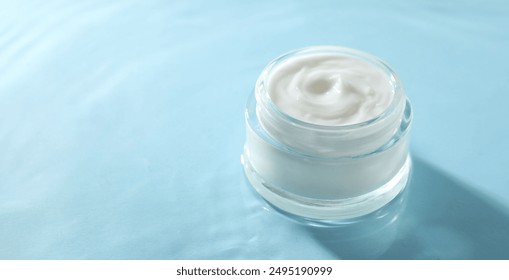
✨ 2. Cleansing Cream
A cream-type cleanser that gently melts away makeup as it blends into the skin.
Pros:
- ✅ Highly moisturizing, leaving skin feeling supple.
- ✅ Very gentle on the skin with low friction.
Cons:
- ❌ May struggle with heavy makeup, especially waterproof mascara.
- ❌ Can take a bit more effort to rinse off completely.
Tips:
- 💡 Best for: Dry skin, sensitive skin, and mature skin.
- 💡 Usage Tip: Gently massage in a spiral motion from the center of your face outwards.
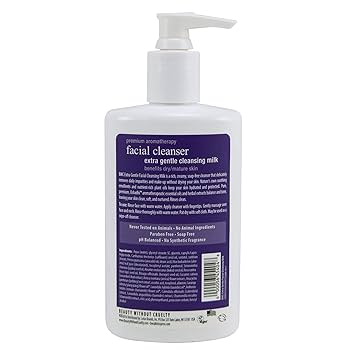
✨ 3. Cleansing Milk / Lotion
With a light, milky or lotion-like texture, these are either wiped off or rinsed off.
Pros:
- ✅ Non-greasy and refreshing feel.
- ✅ Ideal for light or natural makeup.
Cons:
- ❌ Cleansing power is generally weak; not suitable for heavy makeup.
- ❌ Wipe-off types can cause friction from cotton pads.
Tips:
- 💡 Best for: Oily, combination skin, and anyone who prefers a fresh finish.
- 💡 Usage Tip: Saturate a cotton pad and wipe gently without rubbing, or blend with hands and then rinse.
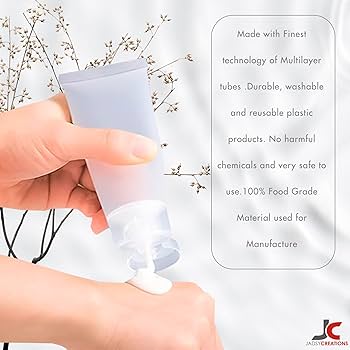
✨ 4. Cleansing Gel
A gel-type cleanser known for its low friction and easy-to-rinse formula.
Pros:
- ✅ Non-greasy yet moisturizing.
- ✅ Rinses off cleanly without leaving a residue.
Cons:
- ❌ Cleansing power varies greatly between products.
- ❌ May not be effective at lifting all types of makeup.
Tips:
- 💡 Best for: Normal, oily, and combination skin.
- 💡 Usage Tip: Even if marketed as "friction-free," always blend gently onto the skin.
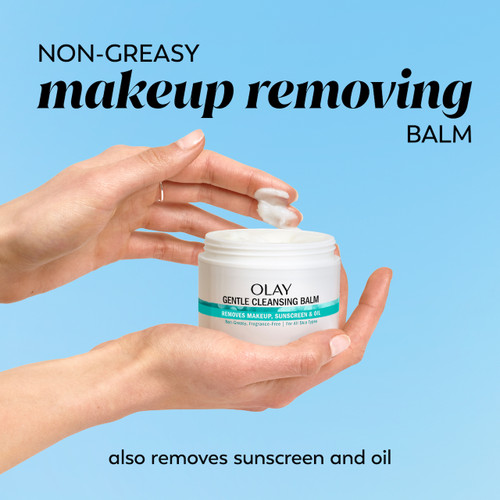
✨ 5. Cleansing Balm
A solid, balm-like cleanser that melts into an oil with the heat of your hands.
Pros:
- ✅ Offers the cleansing power of an oil but is less messy.
- ✅ Adheres closely to skin to lift makeup with minimal friction.
Cons:
- ❌ Can be slightly more expensive.
- ❌ Requires the extra step of melting it in your hands.
Tips:
- 💡 Best for: Dry skin, normal skin, and those who wear heavy makeup.
- 💡 Usage Tip: Use a small spatula to scoop, then warm it thoroughly between your palms before applying.
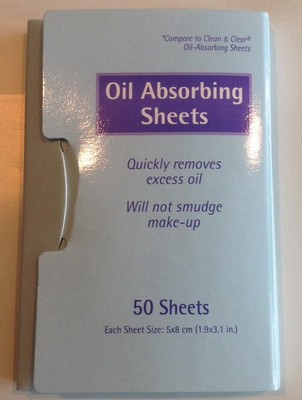
✨ 6. Cleansing Wipes / Sheets
Pre-moistened sheets that remove makeup simply by wiping. The most convenient option.
Pros:
- ✅ Extremely time-saving; great for travel or late nights.
- ✅ No need to rinse with water.
Cons:
- ❌ Causes the most friction, which can be harsh on the skin.
- ❌ Often leaves behind residue, leading to clogged pores.
Tips:
- 💡 Best for: All skin types (but only for emergencies, not daily use).
- 💡 Usage Tip: If you must use them, dampen the sheet with toner to reduce friction, and always follow up with a proper wash or a toner to remove residue.
At-a-Glance Comparison Table
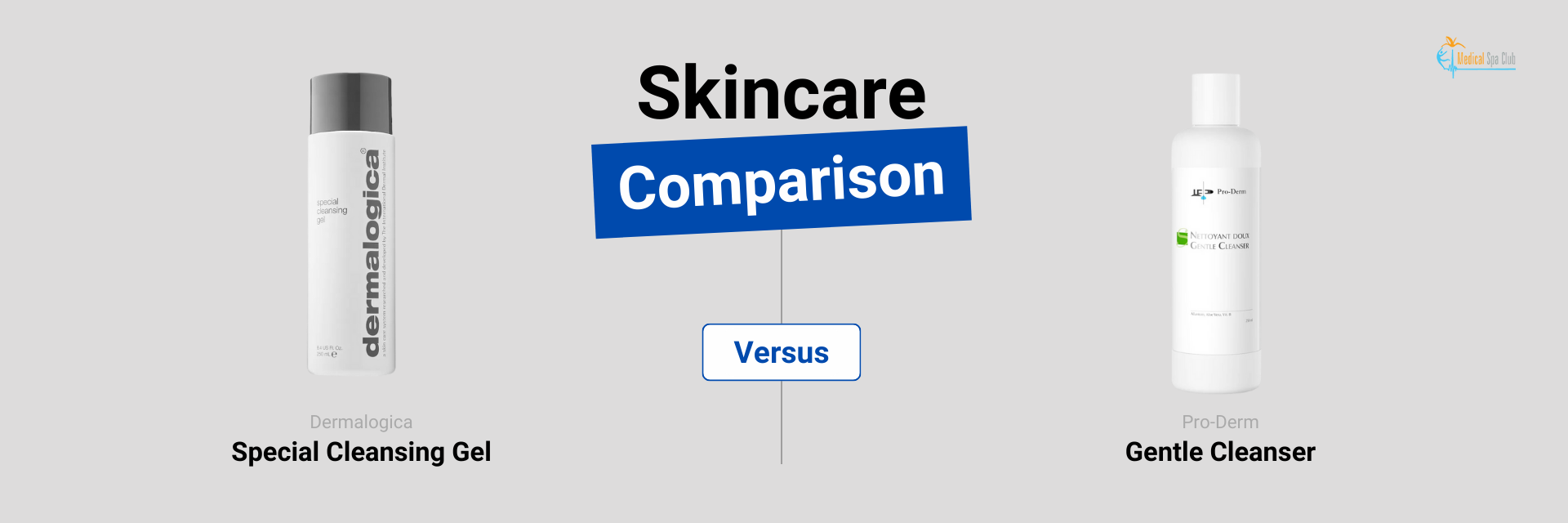
Comparison of different cleanser types
| Type | Cleansing Power | Moisturizing | Skin Burden | Recommended For |
|---|---|---|---|---|
| Oil | ◎ (Very High) | ○ | Low | Heavy makeup, all skin types |
| Cream | ○ | ◎ (Very High) | Very Low | Dry, sensitive skin |
| Milk / Lotion | △ | ○ | Slightly High (wiping) | Light makeup, oily skin |
| Gel | ○~△ | ○ | Low | Normal, combination skin |
| Balm | ◎ (Very High) | ○ | Very Low | Heavy makeup, dry skin |
| Wipes / Sheets | △ | × | High | Emergencies only |
Oil
Cleansing Power: ◎ (Very High)
Moisturizing: ○
Skin Burden: Low
Recommended: Heavy makeup
Cream
Cleansing Power: ○
Moisturizing: ◎ (Very High)
Skin Burden: Very Low
Recommended: Dry skin
Milk / Lotion
Cleansing Power: △
Moisturizing: ○
Skin Burden: Slightly High
Recommended: Light makeup
Gel
Cleansing Power: ○~△
Moisturizing: ○
Skin Burden: Low
Recommended: Normal skin
Balm
Cleansing Power: ◎ (Very High)
Moisturizing: ○
Skin Burden: Very Low
Recommended: Heavy makeup
Wipes / Sheets
Cleansing Power: △
Moisturizing: ×
Skin Burden: High
Recommended: Emergencies
How to Choose the Right Cleanser for You
Let's look at how to choose the perfect cleanser based on your skin type.
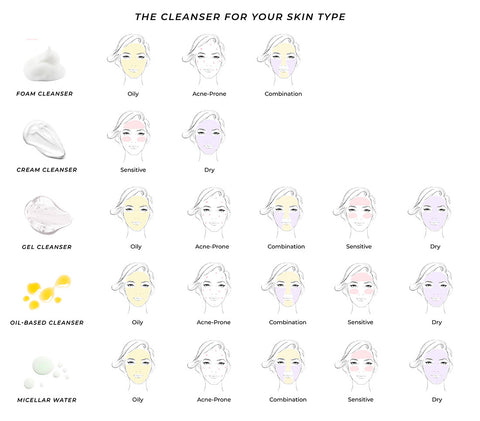
For Dry Skin
Choose a highly moisturizing formula that is gentle on the skin. Cleansing creams and cleansing balms are highly recommended. Oils can also work well, but if you feel tightness after rinsing, opt for one with rich moisturizing ingredients.
For Oily Skin
You'll want something that effectively removes excess sebum and leaves a fresh feeling. Cleansing gels and cleansing milks are suitable. Oils are also fine as long as you rinse them off thoroughly.
For Combination Skin
You need a balance: something refreshing for the T-zone but hydrating for the U-zone. Cleansing gels are a great all-rounder. You can also "multi-mask" your cleansing: use a fresh gel on the T-zone and a rich cream on the drier areas.
For Sensitive Skin
The priority is choosing a low-irritant formula with minimal additives. In terms of texture, cleansing creams and cleansing balms are ideal as they cause the least friction. Always perform a patch test when trying a new product.
Common Cleansing Mistakes
Even with the perfect cleanser, incorrect usage can lead to skin problems. Avoid these common pitfalls.
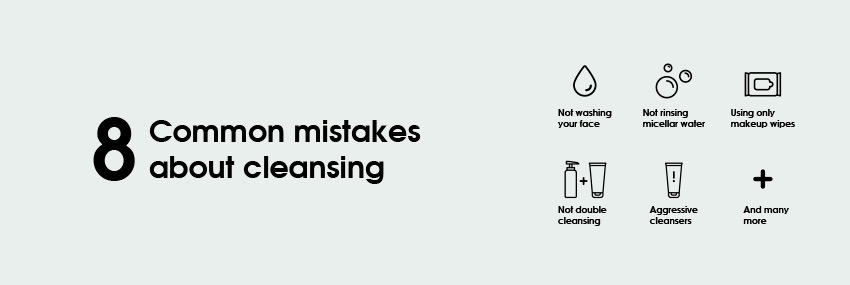
- Applying cleanser with wet hands: This is especially true for oils and balms, which lose their effectiveness when mixed with water.
- Scrubbing too hard: Makeup should be lifted, not scrubbed off. Harsh friction can cause dark spots and wrinkles.
- Inadequate rinsing: The hairline, jawline, and sides of the nose are common places for residue. Take your time and rinse thoroughly with lukewarm water.
- Trying to remove everything at once: For stubborn products like double-proof mascara, use a dedicated point remover first. This significantly reduces the burden on your skin.
Conclusion
The world of cleansers may seem vast, but the basic principle is simple: choose based on your skin type and the makeup you wear. We hope this article helps you find the one that's truly perfect for you.
Start today and nurture a healthy, beautiful complexion with the right cleansing routine!
_03.jpg)
0 Comments